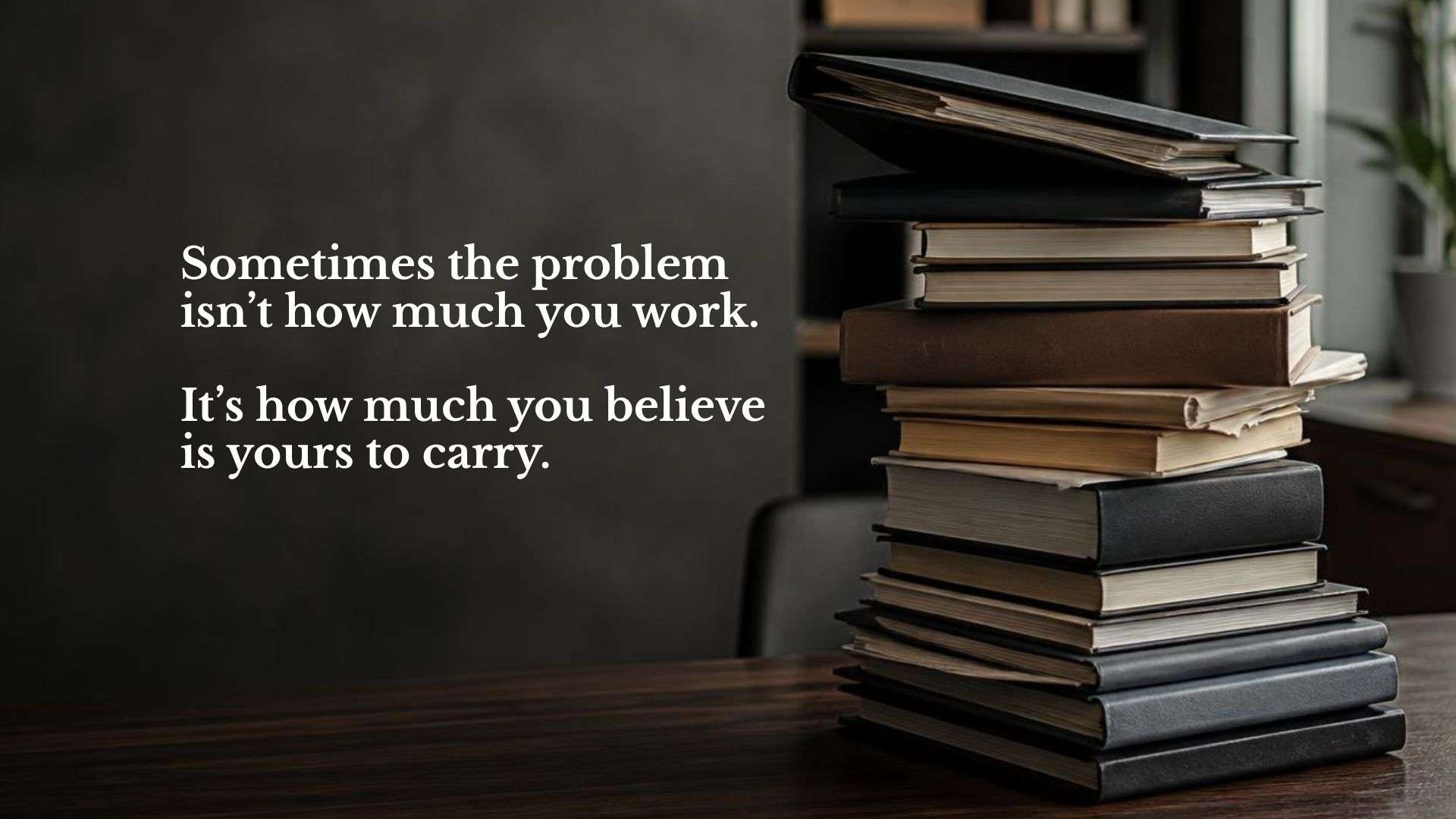
Why can one comment stay with you all day… while someone else forgets it in five minutes?
We’ve all experienced it.
A colleague asks an innocent question during a meeting.
Someone offers constructive feedback.
An email arrives with fewer words than you expected.
Objectively, nothing significant has happened.
Yet hours later, you’re still replaying the conversation in your mind.
“Did I say the wrong thing?”
“What did they really mean?”
“Should I have responded differently?”
Meanwhile, someone else experiences the same situation, takes the feedback on board, and gets on with their day.
The event was the same.
The reaction wasn’t.
One thing I’ve noticed after coaching ambitious professionals is this:
We rarely react to what happened. We react to what we believe it means.
And that changes everything.
Emotional Triggers Aren’t Random
Many people think emotional triggers are caused by difficult situations.
In reality, the situation is often just the spark.
The trigger comes from the meaning our minds attach to it.
A delayed reply doesn’t automatically create anxiety.
Constructive feedback doesn’t automatically create self-doubt.
A disagreement doesn’t automatically create defensiveness.
Those emotions emerge because the moment touches something deeper.
Perhaps it’s the pressure to prove yourself.
The fear of making a mistake.
The need to stay in control.
Or the belief that your value depends on your performance.
The situation reveals the pattern.
It doesn’t create it.
Why Pressure Changes the Way We Respond
Pressure has a remarkable way of exposing what everyday life allows us to hide.
When life feels manageable, we have the mental capacity to pause, reflect, and regulate our emotions.
Under pressure, that capacity becomes smaller.
The patterns we’ve developed over years become much easier to see.
You might notice yourself:
- Overthinking decisions that would normally feel simple.
- Becoming impatient with people you genuinely care about.
- Feeling defensive when someone challenges your ideas.
- Avoiding conversations because you fear conflict.
- Chasing perfection because mistakes feel personal.
These reactions aren’t evidence that something is wrong with you.
They’re evidence that something deserves your attention.
Pressure doesn’t create your patterns.
It reveals them.
The Hidden Patterns High Achievers Often Carry
One of the biggest misconceptions about confidence is believing confident people never doubt themselves.
In my experience, that’s rarely true.
Many of the most capable leaders still wrestle with self-doubt, perfectionism, and the need for external validation.
The difference is that they’ve learned to recognise those patterns instead of being controlled by them.
Through coaching, I’ve seen certain emotional habits appear time and time again.
Some professionals overthink because they believe every decision defines their competence.
Others become impatient because uncertainty feels uncomfortable.
Some avoid difficult conversations because they fear disappointing people.
Others struggle to celebrate success because they’re already focused on the next achievement.
These aren’t personality flaws.
They’re protective strategies.
And while those strategies may once have helped you succeed, they can quietly become the very thing holding you back.
Awareness Creates Choice
The goal isn’t to eliminate emotional triggers.
The goal is to understand them.
The next time you notice yourself reacting more strongly than expected, resist the urge to judge yourself.
Become curious instead.
Ask yourself:
→ What emotion am I experiencing right now?
→ What story am I telling myself about this situation?
→ What belief has this moment challenged?
→ If I weren’t trying to protect myself, how would I choose to respond?
Those questions create something incredibly valuable.
Space.
And within that space lies one of the most important leadership skills you’ll ever develop:
The ability to choose your response instead of reacting automatically.
Emotional Intelligence Begins with Curiosity
We often think emotional intelligence means staying calm all the time.
It doesn’t.
It means understanding why certain situations affect us more than others.
It means replacing judgement with curiosity.
Because every emotional trigger carries information.
And every moment of awareness is an opportunity to grow.
Key Takeaways
Emotional triggers rarely begin with the event itself—they reveal the meaning we attach to it.
Pressure doesn’t change who you are. It reveals the emotional patterns already shaping your behaviour.
Self-awareness creates the space to respond intentionally instead of reacting automatically.
Curiosity is one of the most powerful tools for building emotional intelligence.
Better leadership begins with a better understanding of yourself.
Final Reflection
The next time something affects you more than you expected, don’t rush to dismiss it.
Pause.
Become curious.
Ask yourself:
“What is this reaction trying to teach me?”
Because sometimes your biggest emotional trigger isn’t your biggest problem.
It’s your biggest clue.
And the better you understand your patterns, the better you’ll understand yourself.
That’s where lasting confidence grows.
That’s where stronger leadership begins.
Frequently Asked Questions
What is an emotional trigger?
An emotional trigger is a situation, comment, or experience that creates a strong emotional response because it connects with deeper beliefs, expectations, or past experiences.
Why do emotional triggers affect people differently?
Two people can experience the same situation but attach completely different meanings to it. Our beliefs, experiences, and internal narratives shape how we interpret events.
Can emotional triggers be managed?
Yes. While you can’t prevent every emotional trigger, developing self-awareness helps you recognise your patterns earlier, giving you the opportunity to respond thoughtfully instead of reacting automatically.
Why is self-awareness important for leaders?
Self-aware leaders communicate more effectively, make better decisions under pressure, and build stronger relationships based on trust, clarity, and emotional intelligence.